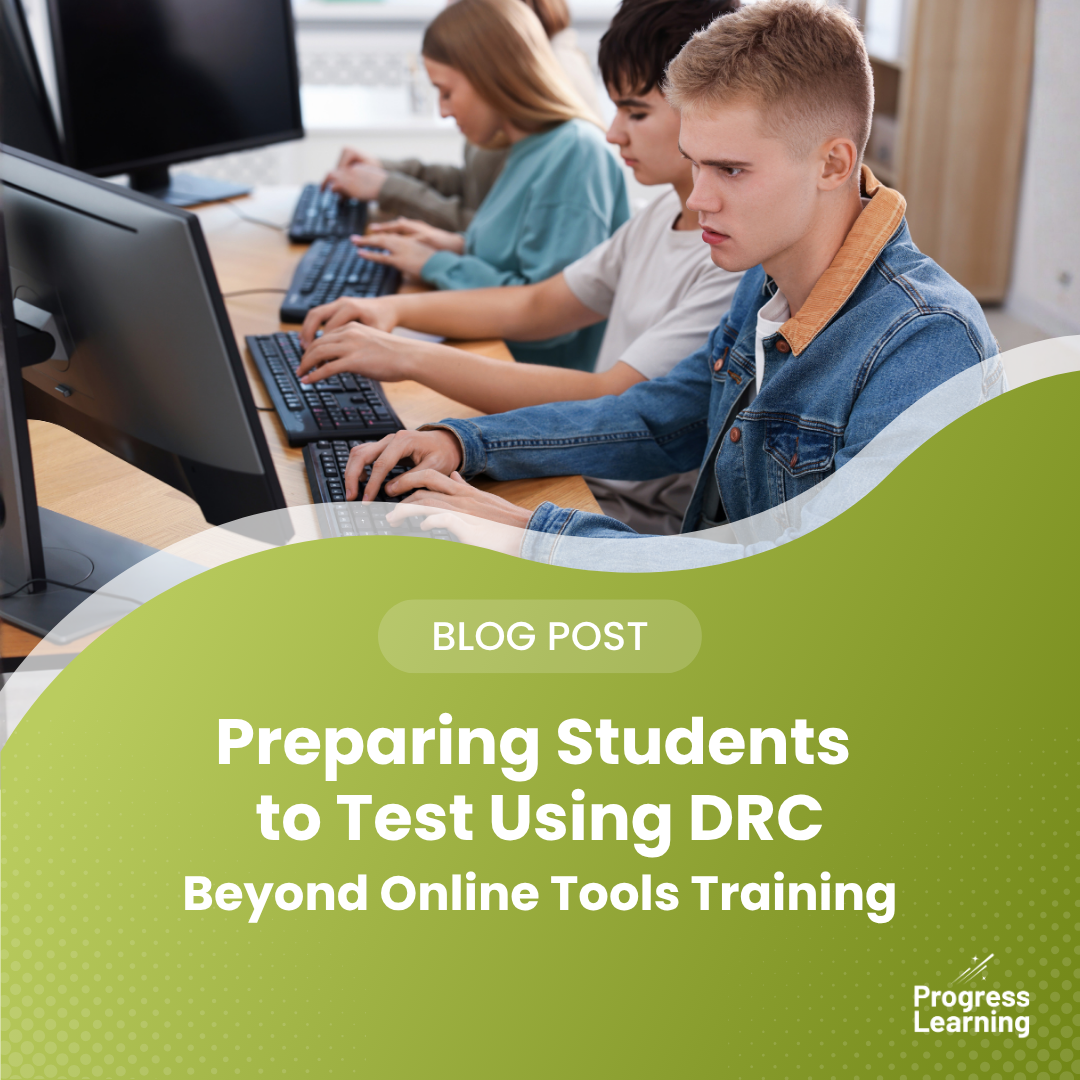
Digital PSSA and Keystone Testing Blueprints: What Do We Know Before Testing?
Pennsylvania is entering a new era of standardized testing this spring. For some schools, the shift to digital PSSA and Keystone assessments will feel familiar. Others are approaching this transition for the first time.
Some schools may have more familiarity, but either way, the lack of clarity is a common challenge as we move into testing season. There has been very little detailed guidance on the exact structure of the digital tests. Most of what we know comes from released sample items and what has historically been included in the paper-based versions.
That ambiguity can make preparation feel uncertain. The best approach is to focus on what is known and what schools can control heading into testing.
The Shift to Digital Testing: A Quick Background
This spring marks Pennsylvania’s move to fully digital PSSA and Keystone assessments. Some districts have already piloted or previewed the experience but many have not.
Because of that, schools are balancing two realities:
- The testing format is changing
- Expectations of what content students have mastered are not changing
Understanding that distinction is key. While the delivery method is new, the core instructional targets remain consistent.
What We Do Know
The Platform: DRC
Pennsylvania’s digital assessments will be delivered through the DRC (Data Recognition Corporation) platform. This is not a new system. States like Georgia, Alabama, and South Carolina have used DRC for years, which provides a level of confidence in the platform overall.
That said, districts in those states have reported some challenges, especially during large-scale testing windows.
Some issues include:
- Bandwidth strain during peak testing times
- Students getting logged out during testing sessions
- Difficulty navigating between questions or sections
- Test freezes, reported more frequently on iPads
Common troubleshooting steps include:
- Uninstalling and reinstalling the testing app
- Re-registering student devices
- Ensuring the Content Object Store (COS-SD) is configured correctly so content is stored locally on devices instead of relying on the network
- Verifying Google Admin Console settings for Chromebooks to prevent repeated device registration
The most important takeaway is to prepare early. Work closely with your IT team and district test coordinator to review device setup, network capacity, and platform configurations well before testing begins.
Progress Learning has supported districts in multiple states that use DRC. Schools that consistently align practice to state standards and mirror testing expectations throughout the year are better positioned to see stronger outcomes when students test on the same platform.
The Content: Assessment Anchors Are Not Changing
Pennsylvania’s assessment anchors are not changing with the move to digital testing. The standards students have been working toward all year in ELA, Math, and Science remain the same. So, while the format may feel different, the content itself will not introduce new surprises.
Question Types: What the Released Items Show
The Pennsylvania Department of Education has provided a sample item portal: https://portal.te.drcedirect.com/PA/pasamplerott
Based on those released items, the following question types are currently represented:
- Multiple choice
- Open response (text only)
- Open response with math-specific symbols
- Open response with science-specific symbols
In addition, statements from the state have indicated that the digital assessments will include interactive formats such as drag-and-drop, sorting, and ranking. At this point, the most reliable reference is still the official released item portal. While interactive item types are expected, the exact scope and frequency are not fully defined.
From an instructional standpoint, these formats are familiar. The main difference is how students interact with them digitally, including typing responses, using equation tools, and engaging with on-screen elements.
What We Do Not Fully Know Yet
There are still important details that have not been clearly defined.
For example:
- How exactly partial credit scoring will be used for technology-enhanced items
- The full range of item types that will appear on the assessments
- The exact distribution of question types within each test
Digital assessments often introduce more flexibility in scoring, especially for multi-part questions. However, Pennsylvania has not yet confirmed how that will be implemented. Because of this, it is more effective to focus on building student readiness with digital tools and standards-based content rather than trying to predict exact test composition.
What This Means for Instruction Right Now
With both clarity and uncertainty in mind, preparation should stay focused on the factors that have the greatest impact.
Keep Instruction Grounded in Assessment Anchors
The standards are not changing. Continue prioritizing Pennsylvania’s assessment anchors and reinforcing the skills students are expected to demonstrate.
Build Comfort with Digital Interaction
Although some specifics are not yet clear, we do know certain skills will be useful. Even small adjustments in practice can reduce friction on test day. Students should have regular opportunities to:
- Type written responses
- Use math and science tools within digital questions
- Navigate between items on a screen
Simulate the Testing Experience
Reducing unfamiliarity allows students to focus on demonstrating what they know. Whenever possible, give students practice that reflects the testing environment:
- Device-based assessments
- Timed practice
- Mixed question types
How Progress Learning Supports End-of-Year Preparation
Even late in the year, there is still time to make preparation more intentional and targeted. Progress Learning helps schools focus on the areas that matter most before testing:
- Pre-built and custom assessments that mirror the structure and rigor of state tests
- Quick-click remediation that allows educators to respond immediately to items students miss most
- Progress monitoring and reporting that highlights gaps and tracks growth over time
For districts already using NWEA MAP, Liftoff’s integration allows RIT scores to drive individualized intervention paths. This helps turn existing data into clear next steps for each student.
The goal is simple: identify gaps, provide focused support, and give students consistent exposure to the types of questions and rigor they will see on test day.
The transition to digital PSSA and Keystone testing does bring some uncertainty, which is completely expected. At the same time, the most important pieces remain steady. The standards are the same. The core question types are familiar. And the strategies that support student success have not changed. By focusing on what is known and preparing students for the digital experience, schools can approach testing with greater confidence and clarity.
See how Progress Learning supports practice for digital testing on the PSSA and Keystones throughout the year and during testing season.